Memo Casino offers UK players a venue where having fun and maintaining control go hand in hand. The site boasts a bright, extensive game library alongside tools that allow every visitor play at their own speed. Knock out a quick spin on a slot, then step back for a breather. Get a winning hand at blackjack, and yeah, that warrants a little celebration. There is no pressure to keep going when the fun fades. The whole setup views gaming as something that adapts to your actual life, not the other way round. From the moment you place your first deposit to the day you cash out, everything runs on clear terms, safe payments, and support staff who actually answer. Here is what makes Memo Casino a balanced pick for grown-ups who want to gamble their own way.
A World of Games at Your Fingertips
The game lobby at Memo Casino falls somewhere between a well-planned festival and a tidy library. Hundreds of titles are arranged in a clean layout, sorted so you can jump straight to a favourite or browse by what you fancy. The software lineup blends big-name studios with smaller developers on the rise, so the catalogue spans household classics and under-the-radar finds. Every game loads fast on desktop and mobile, with no drop in sound quality or visual sharpness. Got five minutes free? The lobby points you somewhere worthwhile. Got a whole evening? There is plenty to dig into. Filters for themes, features, and volatility make matching a game to your mood a job of seconds, not an endless scroll.
Slot Journeys for Every Taste
Slots sit at the core of the collection. You will find old-school three-reel fruit machines, narrative-driven video slots, and jackpot titles where a single spin could shift your entire year. Themes draw from ancient myths, deep-sea wrecks, music icons, and blockbuster cinema. Payline setups run the full spectrum, from clean 10-line games to sprawling Megaways titles with tumbling reels. Return-to-player figures are shown upfront, so picking a game becomes an informed choice rather than a blind guess. A handful of titles feature bonus buy features for anyone who would rather skip straight to the free spins. New releases arrive every week, which keeps the slot shelves from ever feeling stale.
Table Classics and Instant Wins
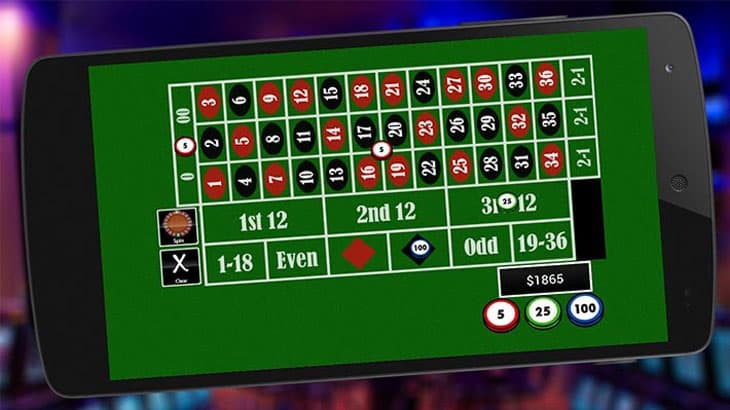
Past the spinning reels, Memo Casino offers a sturdy spread of digital table games. Blackjack shows up in several forms, each tweaking the rules on splits, doubles, and where the dealer stands. Roulette players can move between European, French, and American wheels. Baccarat and casino poker each have their own quiet corner. For something faster, scratch cards and arcade-style instant win games are found in a dedicated category. These slot nicely between a slot session and a strategy-heavy table game, handing out results in seconds flat. Game rules are included in the interface, so nobody has to go hunting elsewhere before putting money down.
Mobile Play Without the Hassle
Memo Casino bypasses the dedicated app and still delivers a seamless mobile experience. The site adjusts itself to suit any modern smartphone or tablet browser, keeping the full game library and every account feature untouched. Touch controls respond without lag, and menus rearrange around so buttons stay thumb-friendly no matter the screen size. Load times are short even on a spotty 4G connection, thanks to lean design work under the surface. Deposit money, grab a bonus, play a slot, and initiate a withdrawal, all from the same device without changing. The mobile version mirrors the desktop site in every functional way. Screen size never shuts you out of anything. That kind of flexibility works well for UK players who move between the sofa and the commute.
Safety and Fair Play
UK players can expect a protected setup, and Memo Casino runs under a licence from the Gambling Commission. That means the platform adheres to strict rules around fund segregation, data protection, and game fairness. Every piece of communication between your device and the server goes through SSL encryption, locking personal and financial details away from prying eyes. The random number generators powering the games get tested by independent auditors, with certificates published for anyone to check. Identity verification follows Know Your Customer guidelines, guarding accounts from unauthorised access. The privacy policy explains what data gets collected and why, in language a regular person can follow without a law degree. That regulatory backbone enables players focus on the entertainment instead of worrying about whether the platform plays straight.
The Live Casino Journey
Memo Casino’s live dealer wing channels the vibe of a physical club straight to your screen. Professional croupiers host games from dedicated studios, streamed in sharp HD with multiple camera views. A chat function enables you share polite messages with the dealer and fellow players, adding a social thread that digital table games miss. Tables operate around the clock. Stakes extend from cautious beginner levels up to high-roller territory. The game rules follow standard UK casino conventions, so anyone who knows their way around blackjack, roulette, or baccarat can dive in. Game-show-style titles such as Dream Catcher and Monopoly Live pump a lighter, bouncier energy into the live lobby for anyone craving a change of pace.
Blackjack and Roulette Tables
Live blackjack at Memo Casino covers classic seven-seat tables, speed variants for snappier decisions, and branded setups with side bets like Perfect Pairs and 21+3. Dealers maintain a steady rhythm without making anyone feel hurried. The interface shows bet limits clearly before you grab a seat. Live roulette includes European, auto-roulette, and immersive versions that replay the ball drop in slow motion. The racetrack betting grid shows up for those who like neighbour and section wagers. Every table shows recent results, handy for players who want to spot patterns. Stream quality holds steady on standard broadband, which matters when you do not want a freeze mid-spin.
Game Shows and Unique Tables
For a break from the usual formats, the live lobby presents money-wheel games and card-based shows that mix chance with studio entertainment. Presenters engage the audience, spinning wheels and flipping multipliers in a format closer to daytime TV than a casino pit. Titles like Crazy Time and Deal or No Deal Live include bonus rounds with animated hosts and climbing prizes. Niche tables cover Sic Bo, Dragon Tiger, and Teen Patti, a nod to players who enjoy Asian-influenced styles. These sit right alongside the mainstays, so the live section never feels narrow. Minimum bets remain low enough to make the game shows a bit of affordable fun rather than a wallet-draining gamble.
Promotions That Sustain the Fun Rolling
Deals at Memo Casino aim to provide real value without burying the terms in a wall of tiny print. The welcome package extends across the first few deposits, giving new players extra funds and free spins to test different corners of the lobby. Wagering requirements are presented in plain language. Contribution rates for slots, table games, and live casino titles are placed where anyone can locate them. After the welcome phase concludes, regular players come across reload bonuses, cashback offers, and slot tournaments that update on a steady schedule. The loyalty programme counts points in the background and transforms them into bonus credit. No promotion feels engineered to trip you up. Each one clarifies exactly how to use the reward and when you can withdraw it.
The Welcome Offer Explained
New UK customers obtain a multi-stage welcome package that balances bonus funds with free spins on selected slots. Deposit one typically activates a match bonus up to a fixed ceiling, with spins awarded across several days. Deposits two and three often trigger further match rates, which provides for a relaxed stroll through the lobby rather than a sprint. Minimum deposit amounts are in effect. The wagering requirement affects only the bonus amount, not the deposit plus bonus combined. That distinction reduces the total playthrough needed compared to plenty of rivals. The free spins have their own small wagering obligation, maintained clearly separate from the cash bonus terms.
Ongoing Rewards and Tournaments
Once the welcome stage concludes, the promotions calendar takes over the baton. Weekly reload bonuses appear by email or on the promos page, often tied to certain days or game types. Cashback deals return a slice of net losses as actual cash with low wagering attached, a soft cushion when luck dwindles. Slot tournaments introduce a competitive streak, with leaderboards recording wins over a fixed window and handing prizes to the top names. Entry usually happens automatically when you engage with the featured games. The loyalty scheme operates quietly, stacking points you can swap for bonus credit once a threshold is reached. Every reward is optional and simple to opt into.
Safe Gambling: The Stop That Counts
Memo Casino treats responsible gaming as a built-in feature, not a footnote at the bottom of a page. The platform provides a collection of tools that let players set their own boundaries before a session starts. Deposit limits can be fixed daily, weekly, or monthly. Lower a limit and it activates straight away; raise one and a cooling-off delay kicks in. Reality check reminders pop up at frequencies you choose, giving a gentle nudge to check time and spend. Session limits and loss limits offer extra safeguards. A self-assessment questionnaire helps anyone consider on their patterns without a whiff of judgement. The site also directs to independent bodies, GamCare and BeGambleAware among them, providing direct paths to professional support. The message is simple: a well-timed pause keeps the fun from turning into something else.
- Deposit limits adjustable by day, week, or month
- Reality check notifications notifications at custom intervals
- Session duration limits with auto log-out
- Loss caps to limit spending in a set period
- Self-exclusion options spanning 24 hours to permanent closure
- Quick links to GamCare, BeGambleAware, and GAMSTOP
Modern Banking for UK Players
The transaction methods at Memo Casino align with what British players expect. Debit cards, bank transfers, popular e-wallets, and trusted prepaid options all sit on the cashier page. Deposits go through instantly in most cases, and minimum amounts remain low enough to keep casual players at ease. Withdrawals go through a simple verification step that safeguards both you and the operator. Before you confirm a transaction, the cashier displays processing times for each method, so expectations remain where they should from the start. No surprise fees reduce your winnings. Everything stays in pounds sterling from deposit to cashout. That kind of clarity strips out the friction that frustrates players when they just want their money.
- Visa and Mastercard debit cards providing instant deposit clearance
- PayPal for quick, familiar e-wallet transactions
- Skrill and Neteller for users who favor digital wallets
- Paysafecard for prepaid, card-free funding
- Bank transfer for larger withdrawals with defined timeframes
Help Desk That Listens
When an issue arises, Memo Casino gives you several ways to reach an actual human https://casinomemo.uk.com. Live chat is located in the corner of every page and links to a support agent within a minute during high-traffic stretches. Email handles the more detailed stuff, with replies generally arriving inside a few hours. The help centre features a accessible stack of articles on account management, payments, bonuses, and tech fixes. Support staff reply in plain, jargon-free English and never use a sales script. Need help checking an account? Understanding a bonus term? The tone stays patient and geared toward solving the problem. That kind of attention backs up the brand’s promise of a professional, grown-up relationship with its players.
Frequently Asked Questions
Is Memo Casino regulated for UK players?

Indeed, Memo Casino has a permit from the UK Gambling Commission, the authority that controls all legal gambling providers in Great Britain. The license ensures the platform meets tough standards for player safety, fair gaming, and financial protection. Anybody can check the permit number in the website footer and verify it on the Commission’s public database. Operating under this regulation means regular inspections and strict compliance with regulations on advertising, anti-money laundering, and responsible gambling.
What kind of payment methods are available at Memo Casino?
UK customers can deposit and withdraw using Visa debit, Mastercard debit, PayPal, Skrill, Neteller, Paysafecard, and bank transfer. All payments operates in pounds sterling, so no currency conversion fees crop up. Funds added show in the gaming account almost instantly. Withdrawal processing time is based on the method. E-wallets usually complete within 24 hours after confirmation, debit cards require two to five business days, and bank transfers may need a little extra time. The cashier page lists exact processing times before you finalise any transaction.
How do the welcome bonus terms work?
The introductory offer at Memo Casino is divided over the opening deposits, mixing match bonuses with free spins. Each phase carries its own minimum deposit, match percentage, and wagering requirement. The wagering multiplier is applied to the bonus funds alone, not the deposit plus bonus. Free spin winnings have a separate playthrough obligation. Players should read the full terms on the promotions page, where game contribution rates and the completion window appear without any obfuscation.
Are Memo Casino games on my mobile phone?
Of course. Memo Casino runs on a responsive site design that is compatible with iOS and Android devices with zero app downloads. The mobile version offers the full game library, secure cashier, live chat, and every account setting. Games run inside the browser and work with touch controls without a hitch. Menus and buttons adjust for smaller screens so navigation remains easy. Performance holds up on 4G and Wi-Fi, which means slots, table games, and live dealer tables follow you wherever the signal goes.
What responsible gambling tools does Memo Casino provide?
Memo Casino offers players a strong set of safer gambling controls. Per day, weekly, or monthly deposit limits can be configured, with decreases taking effect immediately and increases subject to a delay. Reality check reminders pop up at custom intervals to show session length and spend. Session time limits and loss limits add further structure. A self-exclusion tool covers breaks from 24 hours all the way to permanent account closure. The site also links to GAMSTOP, GamCare, and BeGambleAware for independent advice and support whenever it is needed.
What duration do withdrawals take at Memo Casino?
Withdrawal times are based on the payment method and where your account stands with verification. Once identity checks clear, e-wallet withdrawals through PayPal and Skrill typically process within 24 hours. Debit card payouts take two to five business days. Bank transfers may stretch up to seven. The casino aims to approve all requests inside 48 hours. Players can speed things along by uploading verification documents early, including proof of identity, address, and ownership of the payment method.
Are the games at Memo Casino equitable and random?
Indeed, every game at Memo Casino depends on a certified random number generator to settle outcomes. These RNG systems receive regular testing from independent auditing firms licensed by the UK Gambling Commission. The checks confirm results remain statistically random and are not rigged by either the operator or the player. Return-to-player percentages are displayed for each game, providing clear information about the theoretical payout over an extended period. Live dealer games utilize physical cards and wheels, with the same strict oversight enforced on every studio procedure.

