

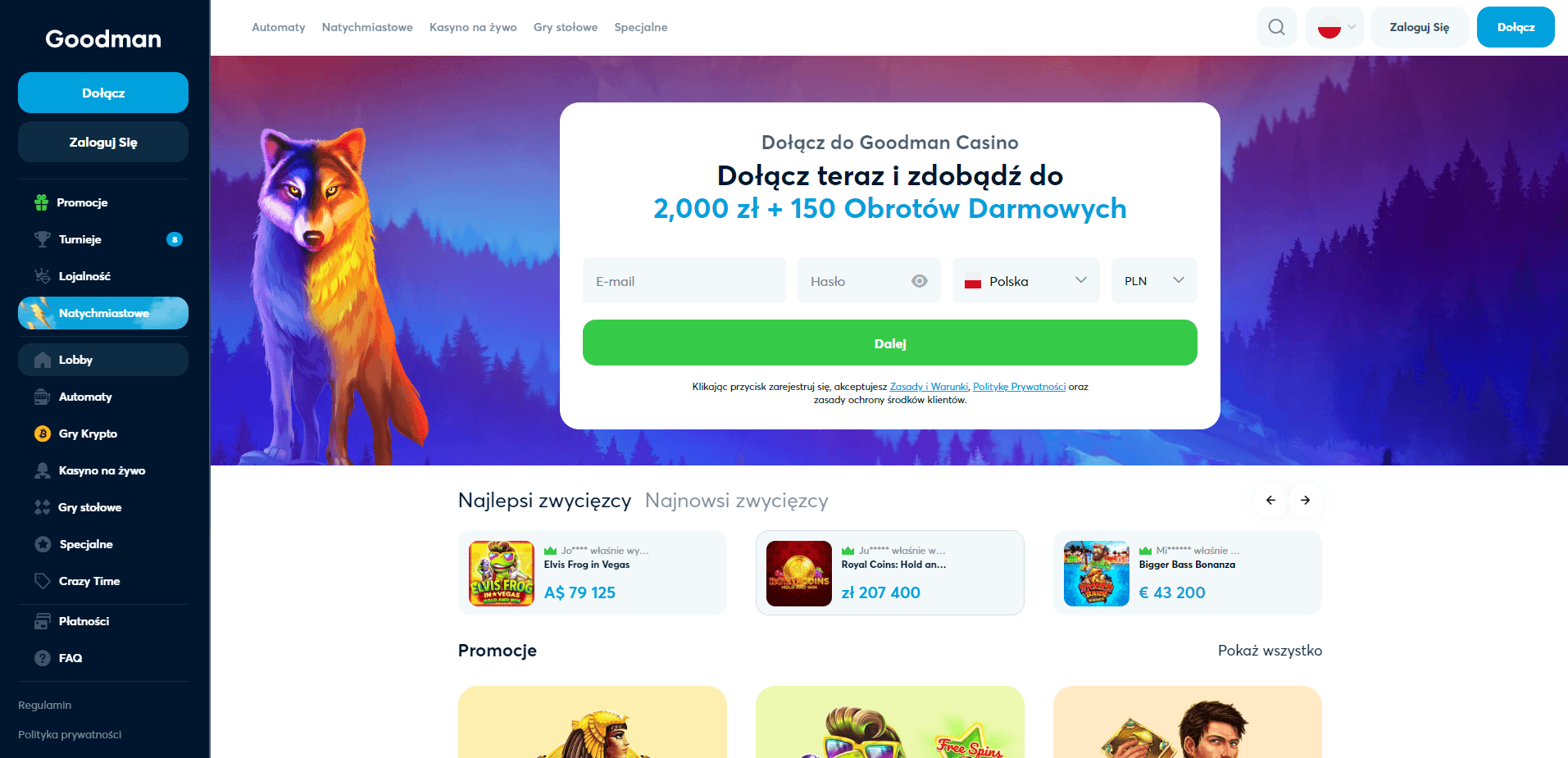
Before you make your very first bet at an internet casino, one essential truth matters from the start: gambling is a kind of recreation, not a financial strategy or a way out of personal problems. Good Man Casino regards responsible gambling as the foundation of a lasting and rewarding experience. The platform is designed around the understanding that consciousness, readiness, and personal insight draw the line between leisure and risk. For new players, the selection of games, incentives, and fast-paced action can become overwhelming, making it tempting to forget of time and spending. This guide offers beginners the psychological tools and hands-on techniques needed to stay in control. It describes how to set boundaries before a session begins, how to identify the delicate psychological shifts that warn of a loss of control, and where to find immediate support if gambling no longer feels like a option. When a player embraces these principles from the start, gambling transforms from a inactive activity into a intentional decision, ensuring that the experience keeps inside the confines of enjoyment.
Understanding the House Edge and Odds
A responsible gambler starts by embracing the statistical actuality of the games they engage in. Every game at Good Man Casino functions on a concept known as the house edge, which ensures that the mathematical advantage consistently lies with the establishment over the long term. This is not a design flaw or a secret trick; it is the financial framework that permits a casino to exist. A newcomer often falls into the snare of believing that a “hot streak” indicates a enduring alteration in chance or that a particular betting system can cancel out this built-in edge. Consequences in pokies, the roulette wheel, and games of cards are decided by Random Number Generators or physical likelihoods that have no memory of previous outcomes. A roulette wheel is unaware it has stopped on black five times in a row, and the odds on the sixth spin continue identically the identical. Seeing gambling through the lens of entertainment cost, rather than investment return, changes a player’s emotional reaction to defeat. When a player acknowledges that the funds expended is the cost of the thrill, comparable to buying a admission for a concert, the sting of a losing streak shrinks and the desire to chase losing bets becomes rationally unappealing.
Spotting the Mental Cues of Chasing Losses
Chasing losses is the psychological trap that turns a occasional player into a problem gambler. It starts with a basic, casino good man sicheres spielen, apparently rational thought: “I just need to win back what I lost, and then I will stop.” This urge is fueled by the brain’s avoidance to loss, a feeling that is psychologically about twice as intense as the enjoyment of a similar gain. A beginner must learn to detect the corporeal and psychological warning signs that arrive before this behavior. They frequently include a quickened heart rate, a sensation of irritation or wrong, and a constricting of concentration that blocks out all outside concerns. When a losing session sparks desperation, the brain moves into fight-or-flight mode and the initial budget limits get explained away. A accountable gambler understands that a loss is definitive and that the next bet is a new, independent event, not an additional round in a struggle against the software. A effective strategy is to regard a losing session as the purchase price of a learning experience or entertainment, not as a obligation the casino owes you. By psychologically shutting the ledger after every session, no matter of the conclusion, a player protects themselves from the dangerous cycle where a bad afternoon transforms into a catastrophic week.
Creating Financial Limits Before You Play
A budget agreed before you play is the strongest shield against gambling harm. Treat that number as fixed and non-negotiable. Before entering Good Man Casino, a player should have an honest look at their disposable income. The deposit limit should include only funds that remain after all essential living costs (rent, utilities, food, and savings) have been covered. A useful mental habit is to treat any deposited money as already spent the moment it enters the account, paid strictly for a period of entertainment, with any winnings seen as a rare and pleasant bonus rather than a goal. The platform supplies technical tools to enforce these decisions, allowing users to set daily, weekly, or monthly deposit caps. These barriers are not a sign of weakness; they are a sign of intelligence. A common cognitive distortion among beginners is the “sunk cost fallacy,” where a player continues depositing beyond the limit in a desperate attempt to recover money already lost. By defining a strict loss limit and holding to it with the same discipline you would employ to a household bill, a player deprives that destructive impulse of oxygen and ensures a single bad night does not escalate into a financial crisis.
Separating Gambling from Mental Wellness
Gambling should never be used as self-medication for anxiety, solitude, sadness, or anxiety. A beginner must understand that the momentary dopamine rush from a success or even a near-miss is a neurological trick that can exacerbate deeper emotional wounds. When a player gambles to avoid negative emotions, they are not experiencing amusement; they are practicing escapism, and the economic consequences of a bad sequence will amplify the exact pressure they wanted to escape. A responsible gambler examines their psychological condition before entering. If the drive to gamble is grounded in monotony, sorrow, or the burden of a monetary deficit, the session should be aborted immediately. Alternatively, the user should pursue other coping strategies such as physical activity, interpersonal bonding, or expert mental health support. The border between a interest and a habit is often transgressed not because of covetousness, but because of a desire to dull suffering. Maintaining this division requires sincere self-assessment. If a player finds that they cannot take pleasure in a game without the stakes being economically significant, or if they experience empty after a playtime no matter of the outcome, the pursuit is not any longer serving a beneficial purpose in their life.
Employing Self-Exclusion and Cooling-Off Mechanisms
Occasionally the smartest bet is not wagering at all. Recognizing this, Good Man Casino supplies reliable self-exclusion and cooling-off systems that serve as emergency brakes for a player’s conduct. A cooling-off period is a short-term break, commonly spanning from one day to six weeks, designed to halt a growing pattern of problematic play. This tool is ideal for a newcomer who realizes their recreational time is becoming dominated by gambling urges or who has just endured a major loss and experiences the desire to recoup it. Self-exclusion is a graver, long-term undertaking where an account is frozen for a specified period, frequently six months to five years or even indefinitely. Enabling self-exclusion is an act of real self-awareness and resolve. It is not a punishment but a protective wall. During the exclusion period, the casino will cease all marketing contact, and strict verification processes prevent efforts to open new accounts. A player should not view this tool as a final option saved only for turmoil; it is a precautionary health action, comparable to removing unwholesome food from a kitchen to assist a diet, ensuring the surroundings corresponds with the objective of health.
Time Management to Escape the Dissociative State
Online casino environments are designed to be immersive, and they often pull players into a trance-like state where time slips away unnoticed. This “trance state” or “dark flow” is among the most overlooked risks for a novice. When a player forgets about time, the logical mind’s supervisory functions weaken and judgment becomes automated. To counter this, a session timer is equally important as a money budget. A player should decide on a set time, maybe 1-2 hours, and use an outside alarm that requires standing up to deactivate it. Good Man Casino promotes this discipline through awareness check notifications, which can be configured to appear on screen at consistent periods and compel a moment of aware reflection. During these pauses, a player should ask a few factual questions: Am I still having fun, or am I just clicking mechanically? Have I surpassed my loss cap? Am I betting to flee a bad mood as opposed to for enjoyment? If the reply to the last question is yes, that is a definite sign to quit right away. Consider pauses as essential breaks where you drink water and distance yourself from the screen. That restores the mental clarity and stops the narrow focus that leads to reckless wagering.
Obtaining Professional Support and External Resources
No player has to deal with gambling problems alone, and acknowledging the need for outside help is a sign of clarity, not failure. A solid responsible gambling framework extends beyond the casino’s internal tools to a global network of professional support organizations. These services deliver free, confidential, and non-judgmental assistance varying from live chat counseling to structured therapy programs. Organizations such as GamCare, Gamblers Anonymous, and Gambling Therapy offer specialized resources that help individuals comprehend the root causes of compulsive behavior and develop strategies to regain control. A beginner should bookmark these resources as a standard part of their account setup, just as they would save a customer service number. The stigma that discourages many people from reaching out is often fueled by the misconception that problem gambling is a moral failing rather than a recognized behavioral addiction. In reality, the neural pathways activated by gambling are remarkably similar to those triggered by substance dependency. Good Man Casino’s responsible gambling page provides direct links to these third-party services, emphasizing that the player’s long-term health is the absolute priority. A concerned family member looking for advice or a player who has noticed a loss of control can find the specialized expertise needed to head back toward stability.
Online gaming should commence with caution, self-respect, and a clear-eyed understanding of risk. Responsible gambling is not about escaping losses, because losses are an inevitable part of the statistical design. It is about guaranteeing that those losses never threaten a person’s livelihood, mental health, or relationships. When a beginner integrates strict financial and time limits, comprehends the psychological traps of the trance state and loss chasing, and knows exactly where to go when control slips, a safety net emerges that allows for genuine recreation. Good Man Casino provides the technical infrastructure to uphold these boundaries, but the ultimate responsibility lies with the individual. The true measure of a smart player is not the size of a jackpot won, but the discipline to withdraw at the right time, keeping the joy of the game for another day.